
Indian benchmark equity indices, Sensex and Nifty, opened higher on Monday, driven by strong buying in blue-chip stocks like HDFC Bank and Infosys, despite persistent geopolitical tensions and elevated crude oil prices.

Head of the Iranian Parliament's National Security Committee Ebrahim Azizi on Saturday said that Iran has prepared a "professional mechanism" to regulate maritime traffic in the Strait of Hormuz through a designated route, which will be unveiled soon.

The United States has paused a proposed USD 14 billion arms sale to Taiwan due to concerns about maintaining sufficient munitions for potential conflicts, particularly in light of the ongoing situation with Iran.

Sharp differences between Iran and the UAE over the West Asia conflict were on full display during the BRICS foreign ministers' meeting in New Delhi, signalling the challenges the bloc faces in reaching a consensus position on the crisis.

The US military is considering a new wave of military operations in Iran, including potential strikes on infrastructure and securing Iran's stockpile of enriched uranium, amid a fragile ceasefire and stalled nuclear talks.

Indian benchmark indices Sensex and Nifty experienced declines in early trade, driven by a surge in Brent crude oil prices above USD 91 per barrel due to escalating tensions between Iran and the US, alongside an increase in US 10-year bond yields. Track Sensex, Nifty on August 18.

The US Senate has overwhelmingly approved a bill, the Lindsey O. Graham Sanctioning Russia and Iran Act of 2026, which aims to punish Russia and its major petroleum product buyers, including China and India. The legislation allows the US President to impose 100 per cent tariffs on goods from the top five importers of Russian oil and gas, and also extends sanctions on Iran's energy sector. The bill, championed by the late Senator Lindsey Graham, now moves to the House of Representatives for further approval.

The embassy also said that the exit must be undertaken in coordination with the mission.
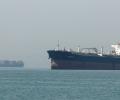
A high-stakes memorandum for a 60-day ceasefire between the United States and Iran is in its final stages, with negotiators working to close remaining gaps and avert further escalation in the region, including reopening of the Strait of Hormuz and the resumption of Iranian oil sales, according to an Axios report citing US officials.

India has opened its Asian Games medal tally with two silvers in shooting, driven by Elavenil Valarivan's performance, and secured an unexpected podium finish in Mixed Martial Arts. The women's cricket team also advanced to the finals, aiming for a second consecutive gold.

The Indian equity market is set for an event-heavy week, with analysts pointing to the Reserve Bank of India's (RBI) interest rate decision, developments in the US-Iran situation, and crude oil prices as the primary determinants of market trends.
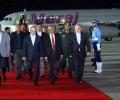
A new report alleges Pakistan shielded Iranian military aircraft from potential US airstrikes, raising questions about its role as a neutral mediator in the ongoing US-Iran tensions.

Malaysian Prime Minister Anwar Ibrahim's impromptu rendition of Kishore Kumar's classic 'Khwab Ho Tum Ya Koi Haqeeqat' has captivated audiences online, with a video of his performance garnering over a million views and widespread appreciation.

Bangladesh has confirmed that Prime Minister Tarique Rahman will not attend the upcoming BRICS Summit in India, clarifying that the invitation was extended to him as the BIMSTEC Chair, not as Bangladesh's Prime Minister. The nation is prioritising bilateral visits and discussions, while also addressing national interests like the expiring Ganges Water Sharing Treaty.

A report by Scholars at Risk, 'Free to Think 2026', states that academic freedom in India is "severely restricted" due to increasing government influence over higher education, university governance, and curbs on student expression. India is listed among six countries in this category, with its Academic Freedom Index score sharply declining. The report cites instances of faculty dismissals, event cancellations, and pressure on student protests, highlighting the alleged use of the UGC as a vehicle for state influence.

Donald Trump has escalated rhetoric against Iran by posting AI-generated images and videos depicting US military strikes, warning Tehran that time is running out to secure a ceasefire agreement.

There are enough people at the top decision-making level in Tehran who are still willing to negotiate, provided Trump can create the right setting for the negotiation to acquire a dynamic of its own, points out Ambassador M K Bhadrakumar.

'Jews are very much safe in Iran. They are our brothers. There is a difference between a Jew and a Zionist.' A conversation around a tea table in Mumbai serves as an eye-opener for Syed Firdaus Ashraf.

United States and China have agreed that "Iran can't have nuclear weapons," and that the Strait of Hormuz must be opened, according to US President Donald Trump.

Indian benchmark indices Sensex and Nifty opened higher, driven by a significant drop in crude oil prices and a positive trend in global equities, with foreign fund inflows further bolstering domestic markets.

Far from it; the country's resistance to the US, its nuclear ambitions, and its pursuit of influence and proxies across the Middle East are driven by a constant search for independence and security. Thus, Iran will never capitulate. Trump will learn this home truth ultimately, and it is going to be a humbling personal experience that may even destroy his presidency, predicts Ambassador M K Bhadrakumar.

Iran has reiterated that key preconditions must be met before negotiations with the United States can begin to resolve the conflict in West Asia, including a ceasefire in Lebanon and the release of blocked Iranian assets.

India has once again raised alarms over the escalation in the security situation in the Red Sea area and strongly condemned Houthi strikes targeting Saudi Arabian territory, "including on civilians and economic assets."

Prime Minister Narendra Modi celebrated India's 7.8 per cent GDP growth in the April-June quarter, attributing it to the collective strength of the people despite global uncertainties. He criticised "doomsayers" as the economy showed resilience, exceeding expectations even amidst international conflicts and supply chain issues.

The successful hosting of the 18th BRICS summit in New Delhi has provided a significant boost to the BJP, offering a timely opportunity to strengthen its narrative against the opposition ahead of crucial assembly elections next year. BJP sources highlight the BRICS grouping's strong condemnation of the Pahalgam terror attack and the consensus declaration as major diplomatic victories for the Modi government, countering criticisms of its foreign policy. The party plans to leverage these outcomes during its month-long Seva Sankalp campaign to connect with various sections of society.

Finance Minister Nirmala Sitharaman stated that India is likely to sustain economic growth of 7 per cent or more in 2026-27, continuing the pace recorded since the Covid-19 pandemic, despite geopolitical uncertainties and supply-chain disruptions.

Following a US agreement to a ceasefire, Iran claims victory and outlines conditions for a lasting peace deal, including control over the Strait of Hormuz and the removal of sanctions.

Som Kumar Tamang, a 44-year-old Nepalese driver from Terhathu district, was killed in a drone attack in Kuwait. The attack, attributed to Iran, occurred amidst US military action against Iran. The Nepalese Embassy in Kuwait is arranging for the repatriation of his body and has advised Nepalese nationals in Kuwait to observe security protocols.

China's Foreign Ministry has refuted allegations of providing military support to Iran, warning the US against imposing tariffs based on these accusations. The statement follows reports of Iran acquiring a Chinese satellite for targeting US military bases. Meanwhile, a rescheduled meeting between Presidents Trump and Xi Jinping is set for May.

Iran has announced the reinstatement of strict military control over the Strait of Hormuz, citing US violations of previous agreements regarding maritime passage. This decision follows claims of continued American blockade of Iranian ports and a statement from former US President Trump regarding the persistence of the naval blockade until a comprehensive peace agreement is reached.

As Iran heads into crucial peace talks with the United States of America, here are the six men who decide the Islamic Republic's course.

Donald Trump has issued a stern warning to Iran, stating that the US will take a tougher stance if a diplomatic resolution regarding its nuclear programme is not reached soon.

For that to happen America does not have to lose. It only has to do the right thing, asserts Aakar Patel.

Foreign portfolio investors (FPIs) have injected Rs 30,919 crore into Indian equities in August, marking their second consecutive month of net buying. This follows a Rs 20,200 crore investment in July, indicating a potential reversal after four months of significant outflows, driven by improving corporate earnings, resilient economic activity, and a stable rupee.

President Trump has been briefed on potential military actions against Iran, including strikes on infrastructure and control of the Strait of Hormuz, even as negotiations continue. He maintains economic pressure is the primary strategy, while legal questions arise over war powers.

Pakistan's Defence Minister Khawaja Asif has indicated that further Iran-US negotiations are anticipated soon, following talks in Pakistan. Despite initial optimism, the previous round of negotiations did not result in a lasting peace agreement.
Analysts predict that the ongoing US-Iran conflict, fluctuations in crude oil prices, and foreign institutional investor (FII) flows will be the primary factors influencing Dalal Street this week, with inflation concerns adding to investor anxiety.

Foreign portfolio investors (FPIs) turned net sellers in the first week of September, withdrawing Rs 7,443 crore from Indian equities, driven by rising crude oil prices, increasing US bond yields, and a strong dollar.

Amid ongoing tensions with the US, Iran's IRGC Navy has issued new directives restricting maritime movement through the Strait of Hormuz, allowing only civilian vessels on Iranian-designated routes and barring all military ships.

Gold prices in the national capital fell by Rs 600 to Rs 1.64 lakh per 10 grams, influenced by tentative progress in US-Iran negotiations, which reduced demand for precious metals. However, unresolved tensions surrounding the Strait of Hormuz continue to keep traders cautious.
